Face Focusing On The Cheeks And Nose Step 3: Flare Your Nostrils And Try To Take Some Deep Breaths Through Your Nose You Can Cover Your Unaffected Nostril To Force
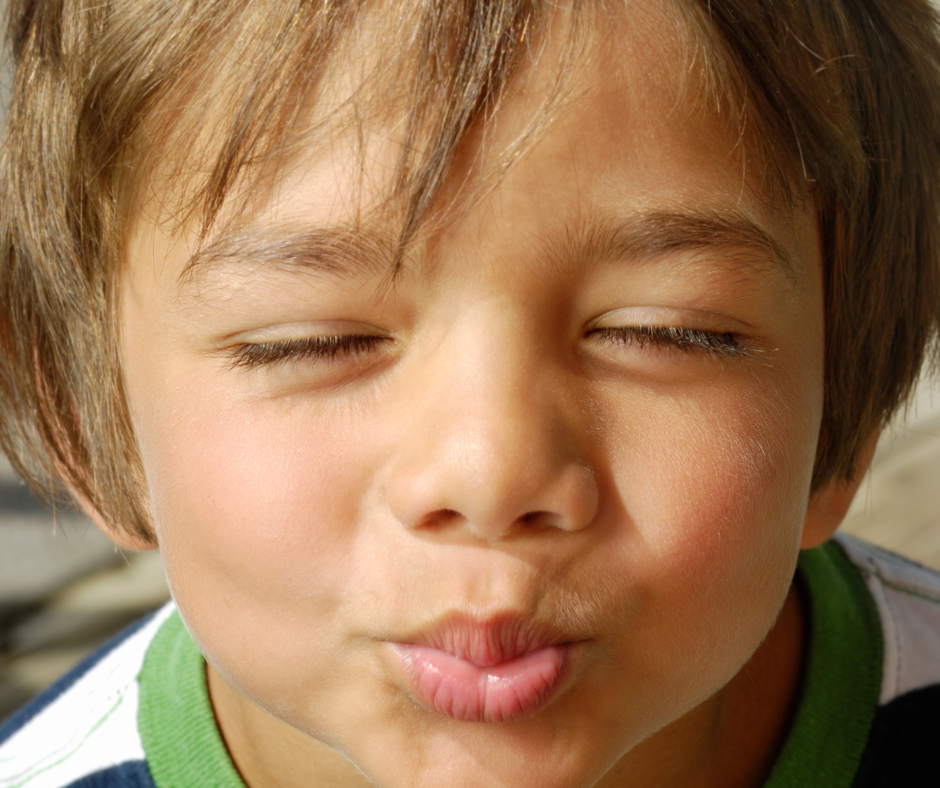
Face Focusing On The Cheeks And Nose Step 3: Flare Your Nostrils And Try To Take Some Deep Breaths Through Your Nose You Can Cover Your Unaffected Nostril To Force - WebStep 3: Flare your nostrils and try to take some deep breaths through your nose. You can cover your unaffected nostril to force the affected muscles to work harder. Step 4: Puff. WebYou can also try to scrunch up your face, focusing on the nose and cheeks. Flare your nostrils then try to take some deep breaths through your nose. You can. WebBy use of your fingers, gently push up the skin next to your nose on the affected side while trying to wrinkle your nose. Try to scrunch up your face, focusing on the cheeks and. WebThe facial muscles involved in chewing are: Buccinator, a thin muscle in your cheek that holds each cheek toward your teeth. Lateral pterygoid, a fan-shaped muscle that helps. WebTry to keep your forehead above your chin. 4. Tilt your head forward with your chin to your chest. This will allow excess solution to drain out of your nose into the sink or.
WebBy use of your fingers, gently push up the skin next to your nose on the affected side while trying to wrinkle your nose. Try to scrunch up your face, focusing on the cheeks and. WebThe facial muscles involved in chewing are: Buccinator, a thin muscle in your cheek that holds each cheek toward your teeth. Lateral pterygoid, a fan-shaped muscle that helps. WebTry to keep your forehead above your chin. 4. Tilt your head forward with your chin to your chest. This will allow excess solution to drain out of your nose into the sink or. WebAnswer (1 of 2): Short and sweet answer, it means you are able to control the muscles in your face to be able to flare them. Don't know what more you are wanting to know about. WebNose and Cheek Exercises: Using your fingers, gently push up the skin next to your nose on the affected side of the face while trying to wrinkle your nose. Try to scrunch up the face,.
WebThe facial muscles involved in chewing are: Buccinator, a thin muscle in your cheek that holds each cheek toward your teeth. Lateral pterygoid, a fan-shaped muscle that helps. WebTry to keep your forehead above your chin. 4. Tilt your head forward with your chin to your chest. This will allow excess solution to drain out of your nose into the sink or. WebAnswer (1 of 2): Short and sweet answer, it means you are able to control the muscles in your face to be able to flare them. Don't know what more you are wanting to know about. WebNose and Cheek Exercises: Using your fingers, gently push up the skin next to your nose on the affected side of the face while trying to wrinkle your nose. Try to scrunch up the face,.
Bell's Palsy - reactive
Bell's Palsy - reactive
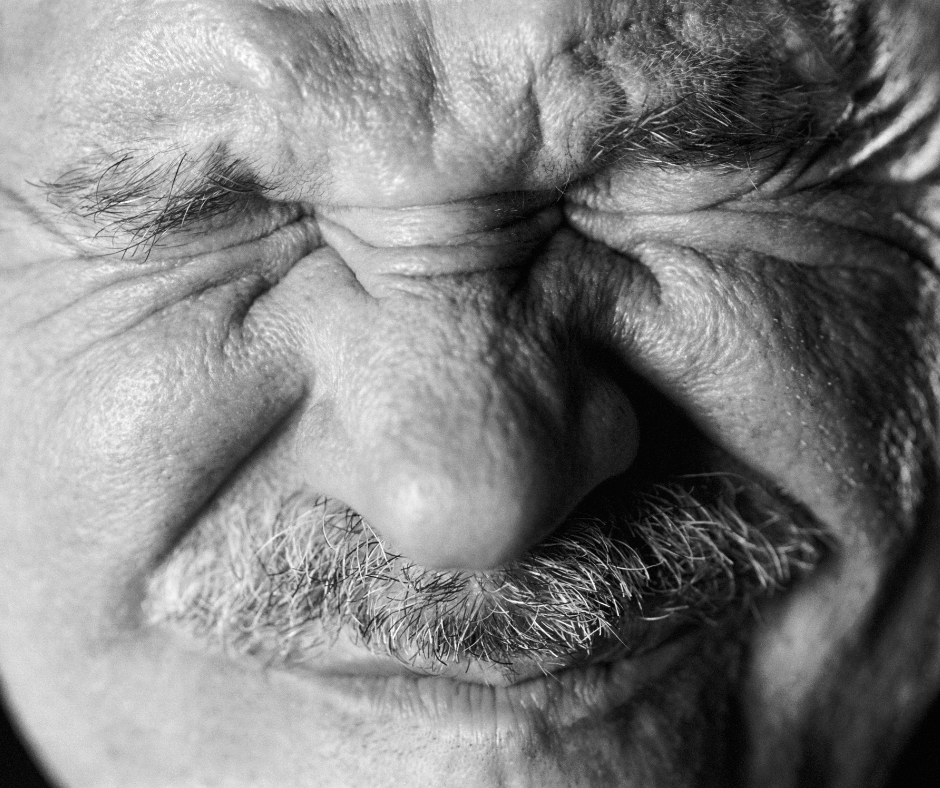
Bell's Palsy - reactive
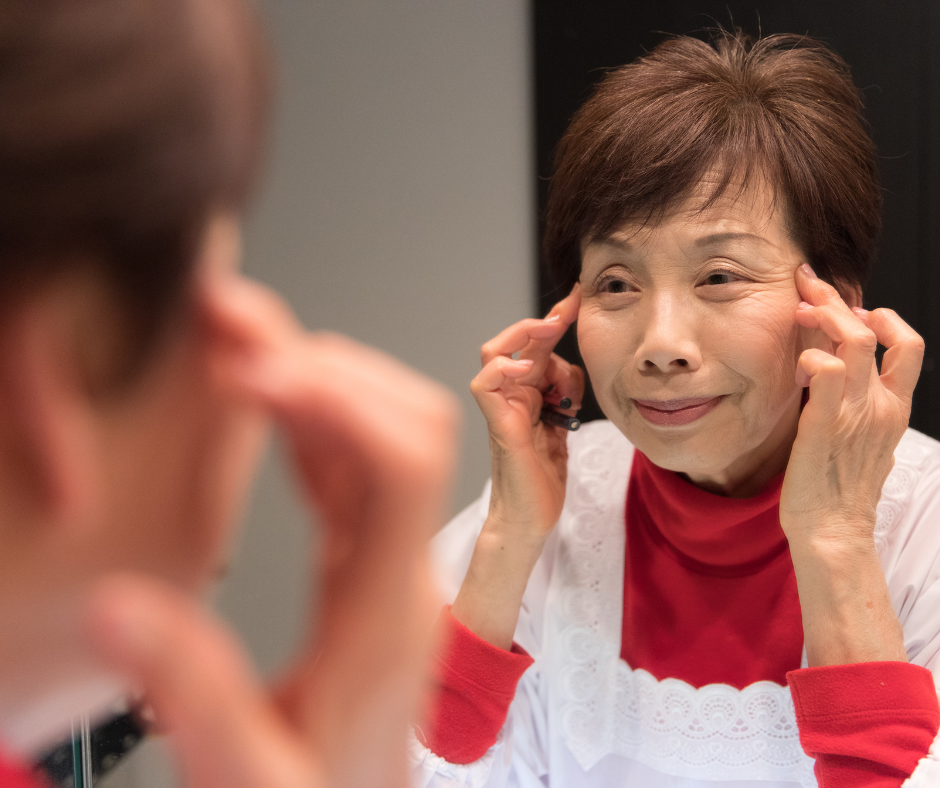
Bell's palsy: Diagnosis, Exercises, And Treatment

Learn how to tone the nose naturally using Face Yoga.

WebYou can also try to scrunch up your face, focusing on the nose and cheeks. Flare your nostrils then try to take some deep breaths through your nose. You can. WebBy use of your fingers, gently push up the skin next to your nose on the affected side while trying to wrinkle your nose. Try to scrunch up your face, focusing on the cheeks and.

Post a Comment for "Face Focusing On The Cheeks And Nose Step 3: Flare Your Nostrils And Try To Take Some Deep Breaths Through Your Nose You Can Cover Your Unaffected Nostril To Force"